Web3 is commonly referred to as the next generation of the web, where decentralization, blockchain technology, and user ownership come to the forefront. Here’s an overview and explanation of Web3 in English:

### What is Web3?

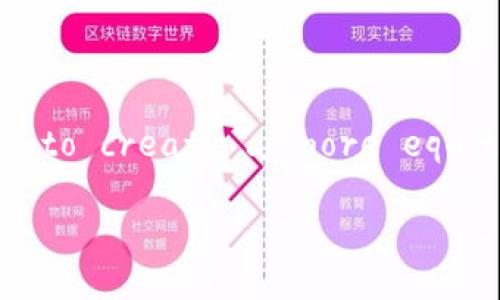
Web3, or Web 3.0, represents a fundamental shift in how the internet functions. It is built on the principles of decentralization, meaning that no single entity has control over the entire ecosystem. Instead, users have more power and control over their own data and online interactions. This new paradigm is largely enabled by blockchain technology, smart contracts, and decentralized applications (dApps).

### Key Features of Web3

1. **Decentralization**: Unlike its predecessors, Web3 operates on decentralized networks, reducing the reliance on centralized servers. This structure promotes individual ownership and data sovereignty.

2. **User Ownership**: In Web3, users have the right to own their data and digital identities. This means individuals can control how their personal information is used and shared.

3. **Interoperability**: Web3 aims for seamless interaction between various applications and platforms. Users can transfer data and assets across different services without friction.

4. **Smart Contracts**: These self-executing contracts with the terms of the agreement directly written into code, enable secure and transparent transactions without the need for intermediaries.

5. **Token Economy**: Web3 often utilizes cryptocurrencies and tokens as means of transactions and rewards. This creates new economic models and incentivizes participation in the ecosystem.

### The Evolution from Web1 to Web2 to Web3

- **Web1**: The first version of the internet, characterized by static pages and read-only content. Users primarily consumed information, and there was limited interaction or engagement.

- **Web2**: Known as the social web, this phase introduced user-generated content and interactivity. Platforms like Facebook, Twitter, and YouTube revolutionized how individuals connect and share, but they also centralized power in a few large corporations.

- **Web3**: The emerging phase focuses on giving power back to users. It promotes privacy, and security, and fosters an inclusive environment where everyone can participate and benefit from the internet.

### Why Web3 Matters

Web3 has the potential to revolutionize various sectors, including finance (DeFi), art (NFTs), supply chain, and more by providing innovative solutions and fostering a more equitable digital landscape. As users become more concerned about privacy breaches and data exploitation, Web3 addresses these issues by emphasizing transparency and user control.

### Conclusion

The transition to Web3 signifies a monumental shift in how we interact with technology and the digital world. Its emphasis on decentralization, user sovereignty, and transparency has the potential to create a more equitable and secure internet experience. As we navigate this evolution, the opportunities presented by Web3 will likely reshape countless industries and redefine our relationship with the online space.

If you have specific aspects of Web3 you would like to explore further or any questions related to it, feel free to ask!Web3 is commonly referred to as the next generation of the web, where decentralization, blockchain technology, and user ownership come to the forefront. Here’s an overview and explanation of Web3 in English:

### What is Web3?

Web3, or Web 3.0, represents a fundamental shift in how the internet functions. It is built on the principles of decentralization, meaning that no single entity has control over the entire ecosystem. Instead, users have more power and control over their own data and online interactions. This new paradigm is largely enabled by blockchain technology, smart contracts, and decentralized applications (dApps).

### Key Features of Web3

1. **Decentralization**: Unlike its predecessors, Web3 operates on decentralized networks, reducing the reliance on centralized servers. This structure promotes individual ownership and data sovereignty.

2. **User Ownership**: In Web3, users have the right to own their data and digital identities. This means individuals can control how their personal information is used and shared.

3. **Interoperability**: Web3 aims for seamless interaction between various applications and platforms. Users can transfer data and assets across different services without friction.

4. **Smart Contracts**: These self-executing contracts with the terms of the agreement directly written into code, enable secure and transparent transactions without the need for intermediaries.

5. **Token Economy**: Web3 often utilizes cryptocurrencies and tokens as means of transactions and rewards. This creates new economic models and incentivizes participation in the ecosystem.

### The Evolution from Web1 to Web2 to Web3

- **Web1**: The first version of the internet, characterized by static pages and read-only content. Users primarily consumed information, and there was limited interaction or engagement.

- **Web2**: Known as the social web, this phase introduced user-generated content and interactivity. Platforms like Facebook, Twitter, and YouTube revolutionized how individuals connect and share, but they also centralized power in a few large corporations.

- **Web3**: The emerging phase focuses on giving power back to users. It promotes privacy, and security, and fosters an inclusive environment where everyone can participate and benefit from the internet.

### Why Web3 Matters

Web3 has the potential to revolutionize various sectors, including finance (DeFi), art (NFTs), supply chain, and more by providing innovative solutions and fostering a more equitable digital landscape. As users become more concerned about privacy breaches and data exploitation, Web3 addresses these issues by emphasizing transparency and user control.

### Conclusion

The transition to Web3 signifies a monumental shift in how we interact with technology and the digital world. Its emphasis on decentralization, user sovereignty, and transparency has the potential to create a more equitable and secure internet experience. As we navigate this evolution, the opportunities presented by Web3 will likely reshape countless industries and redefine our relationship with the online space.

If you have specific aspects of Web3 you would like to explore further or any questions related to it, feel free to ask!